May 19, 2026
Heavy-duty vehicles support commerce by moving freight across long distances, often under tight deadlines. Even with routine maintenance, trucks can experience unexpected mechanical problems that disrupt routes, delay shipments, and increase operating costs. Understanding the most common breakdowns can help fleet managers and drivers respond faster, plan smarter, and reduce preventable downtime. This guide explains seven issues that heavy duty roadside services commonly address when commercial vehicles need immediate help. According to MetaPress's The Real Cost of Truck Downtime Report (February 2026), disciplined preventive maintenance programs reduce roadside failures by 25–30%, highlighting how proactive care can significantly lower the need for emergency assistance.
1. Tire Repairs and Replacements
Tire problems are among the most frequent reasons trucks stop on the road. Blowouts, punctures, uneven tread wear, low pressure, and sidewall damage can create serious safety risks for drivers and nearby vehicles. Quick tire service is essential because a disabled truck can block traffic, delay deliveries, and expose cargo to avoidable complications.
Mobile tire support helps drivers get back on schedule without waiting for a tow to a repair facility. Technicians can inspect the damage, replace the tire, check pressure, and look for related issues that may affect handling. Heavy duty roadside services are especially valuable when tire failure happens far from a terminal or repair shop.
Drivers can also reduce tire-related breakdowns by maintaining proper inflation levels and conducting routine visual inspections before each trip. Checking for embedded debris, sidewall cracks, and uneven wear patterns can help catch issues early. Maintaining proper load distribution is equally important, as overloading or uneven weight can place excessive stress on tires. These preventative steps not only extend tire life but also improve fuel efficiency and overall vehicle stability.
2. Brake System Failures
Brake problems require immediate attention because they directly affect safety. Warning signs may include grinding sounds, squealing, vibration, reduced stopping power, air pressure concerns, or a soft brake pedal. Ignoring these symptoms can increase the risk of accidents and cause more expensive damage to pads, rotors, drums, lines, and related components.
On-site brake assistance can help identify whether the issue is minor or severe enough to require towing. Technicians may inspect brake lines, check fluids, evaluate worn parts, and complete certain repairs where the truck is located. Heavy duty roadside services help reduce downtime while keeping safety as the top priority.
Consistent brake inspections should be part of every fleet’s maintenance routine. Drivers and technicians can work together to monitor wear patterns and replace components before they reach critical failure points. This proactive approach helps maintain braking performance and reduces the likelihood of emergency situations on busy roadways.
3. Engine Troubleshooting and Repairs
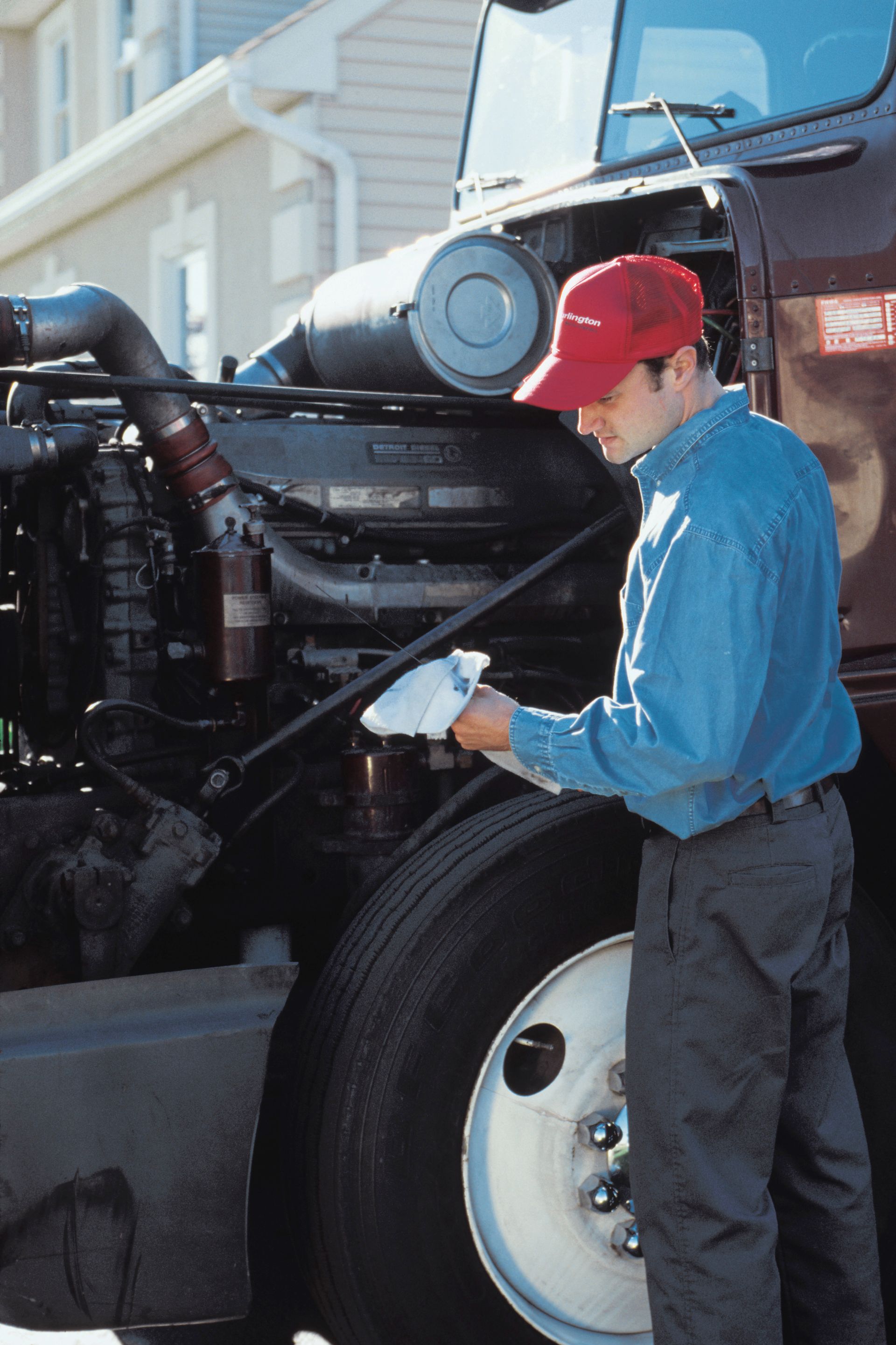
Engine issues can quickly turn into major disruptions if they are not addressed early. Overheating, oil leaks, misfires, power loss, warning lights, and strange noises can signal deeper mechanical problems. Since heavy-duty engines work under demanding conditions, quick diagnostics are important for protecting the vehicle and cargo.
Roadside technicians can use diagnostic tools to identify likely causes and recommend practical next steps. In some cases, they may complete minor repairs, replace parts, or stabilize the vehicle enough for a safe trip to a shop. Heavy duty roadside services give operators a faster way to respond when engine trouble threatens a route.
Routine oil changes, filter replacements, and system checks can significantly reduce the risk of engine failure. Monitoring fluid levels and paying attention to early warning signs can prevent small issues from escalating into major mechanical breakdowns that take vehicles out of service for extended periods.
4. Electrical System Failures
Modern commercial trucks depend on complex electrical systems. Batteries, alternators, wiring, fuses, lights, sensors, and dashboard controls all play important roles in safe operation. A weak battery or faulty alternator can leave a truck unable to start, while lighting issues can create compliance and visibility concerns.
Electrical problems can be difficult to diagnose without the right tools. Roadside support may include jump-starts, battery testing, alternator checks, fuse replacement, wiring inspections, and light repairs. Heavy duty roadside services can help restore essential power systems and prevent a small electrical issue from becoming a longer delay.
Preventative care, such as regularly testing battery strength and inspecting wiring connections, can help avoid unexpected failures. Keeping terminals clean and ensuring proper charging system function contributes to long-term electrical reliability.
5. Cooling System Malfunctions
The cooling system protects the engine from overheating, which makes it critical for long-distance hauling. Warning signs may include rising temperature gauges, coolant leaks, steam, cracked hoses, fan issues, or low coolant levels. When these problems are ignored, they can lead to severe engine damage and costly downtime.
Roadside technicians can inspect hoses, coolant levels, radiators, thermostats, and related components. They may be able to replace coolant, repair minor leaks, or recommend towing if the risk of continued driving is too high. Heavy duty roadside services provide timely support before overheating causes broader mechanical failure.
Routine flushing of the cooling system and replacement of worn hoses can help prevent many of these issues. Staying ahead of maintenance schedules ensures that engines operate within safe temperature ranges even during long hauls and extreme weather conditions.
6. Fuel System Problems
Fuel system issues can reduce performance or stop a truck entirely. Common problems include clogged filters, fuel contamination, injector trouble, pump failure, air in the lines, or simply running out of fuel. These issues may cause rough idling, poor acceleration, stalling, or difficulty starting the engine.
Emergency fuel delivery can help when a truck runs low unexpectedly, while additional roadside support may address clogged filters or fuel flow concerns. Preventive maintenance is still the best defense, but fast response matters when a truck is already disabled. Heavy duty roadside services help drivers avoid extended delays caused by fuel-related problems.
Using high-quality fuel, replacing filters regularly, and monitoring for signs of contamination can help maintain system efficiency. These practices support smoother engine performance and reduce the risk of unexpected shutdowns during transit.
7. Transmission Issues
Transmission problems can affect shifting, power transfer, and overall drivability. Signs may include slipping gears, delayed engagement, fluid leaks, burning smells, grinding sounds, or unusual vibration. Because transmission damage can become expensive quickly, drivers should avoid pushing the vehicle when symptoms appear.
Roadside technicians may check transmission fluid levels, inspect leaks, and determine whether the truck can move safely. Some minor issues can be addressed on-site, while more serious problems may require towing to a qualified repair facility. Early attention helps protect the drivetrain and reduce the risk of further damage.
Regular fluid changes and inspections are essential for maintaining transmission health. Monitoring performance and addressing small irregularities early can prevent costly repairs and extend the lifespan of critical drivetrain components.
Breakdowns are costly, stressful, and often unavoidable, but preparation can make them easier to manage. Tire damage, brake trouble, engine concerns, electrical failures, cooling problems, fuel issues, and transmission trouble are among the most common roadside challenges for commercial vehicles. Heavy duty roadside services give drivers and fleet operators dependable help when every minute matters. With regular inspections, preventive maintenance, and quick response planning, businesses can protect their equipment, reduce downtime, and keep freight moving safely. Having a trusted service provider available at all times also helps drivers feel more confident and supported when unexpected issues occur during long hauls. Contact our team at Rivers Edge Truck & Trailer Repair and learn more about our roadside services.