September 22, 2026
Heavy duty roadside assistance is an indispensable service for those who operate within the logistics and transport sectors. This service provides critical support to truck drivers and fleet operators, ensuring that vehicular issues do not lead to prolonged disruptions. With a focus on safety and operational efficiency, roadside assistance helps to significantly minimize downtime. Ensuring that heavy-duty vehicles are back on the road swiftly, this assistance prevents potential financial losses for businesses. Understanding its value is key for transportation stakeholders committed to maintaining punctual and safe delivery schedules.
The logistics industry relies heavily on the continuous operation of heavy-duty vehicles to meet stringent deadlines and delivery goals. When a large vehicle is immobilized, it affects the entire chain, from the driver to the final customer. A quick and effective heavy duty roadside assistance service is thus critical, as it ensures that delays are minimized. Moreover, this service protects the safety of both the driver and other road users. By leveraging specialized roadside assistance, companies can navigate challenges more effectively.
Investing in heavy duty roadside assistance is vital in an increasingly competitive industry landscape. Roadside service providers are now an essential component within the logistics sector, ensuring safety compliance and operational continuity. According to Grand View Horizon, the vehicle roadside assistance market in the United States is expected to reach a projected revenue of $8,082.4 million by 2030. This projected growth reflects a keen awareness within the industry about the importance of maintaining vehicle health and operational readiness. Businesses and fleet operators are now more inclined to incorporate comprehensive roadside assistance as a part of their risk management strategies.
Understanding Heavy Duty Vehicles
Heavy duty vehicles encompass a diverse range of vehicles, including trucks, buses, and trailers, that are essential to modern logistics. These vehicles are designed to carry large loads and provide efficient transport services across various terrains. Trucks, for example, come in various forms from flatbeds to tankers, each serving specific industry needs. Buses cater to mass transit, playing a crucial role in public transport. Trailers, often coupled with trucks, add an element of flexibility in transporting diverse materials.
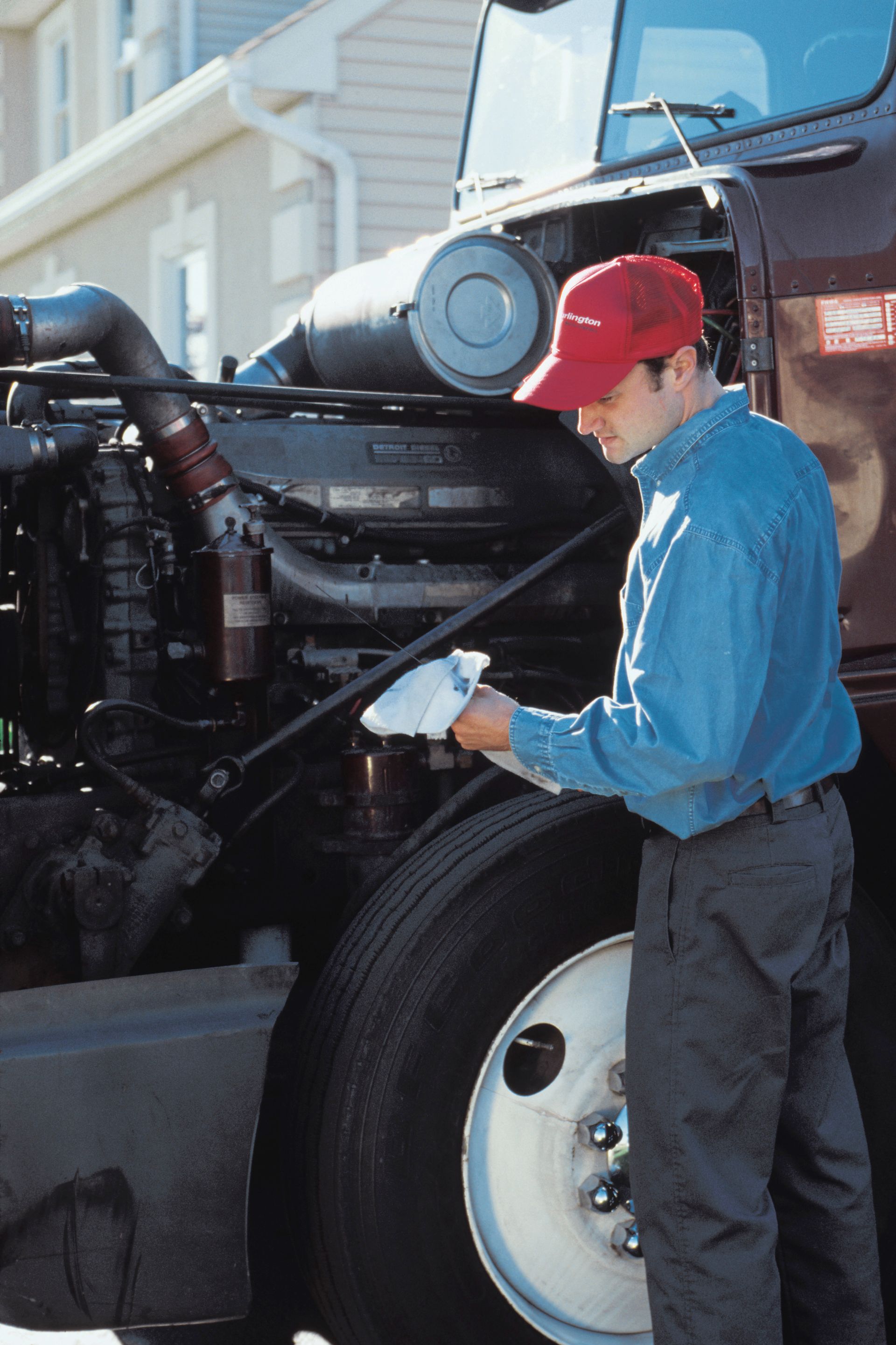
The mechanical complexity of heavy duty vehicles commonly leads to specific issues. Tire blowouts remain one of the most frequent challenges faced by operators, resulting from long-distance travel and varying load weights. Engine troubles, such as overheating or mechanical failures, can also occur due to the intensive nature of their operations. Brake failures represent significant safety risks, often caused by excessive wear from repeated heavy usage. Such issues necessitate robust roadside assistance services capable of quick and effective resolutions.
Durability is a cornerstone of heavy-duty vehicle design; however, regular maintenance is crucial to sustain performance. Routine checks and preventative measures help spot potential issues before they develop into significant problems. Maintenance protocols typically include inspecting the engine, conducting brake tests, and ensuring tire integrity. Keeping up with these measures can drastically reduce the frequency of breakdowns. As regulations and safety standards evolve, maintaining heavy duty roadside compliance through regular updates is also paramount.
Components of Roadside Assistance for Heavy Duty Vehicles
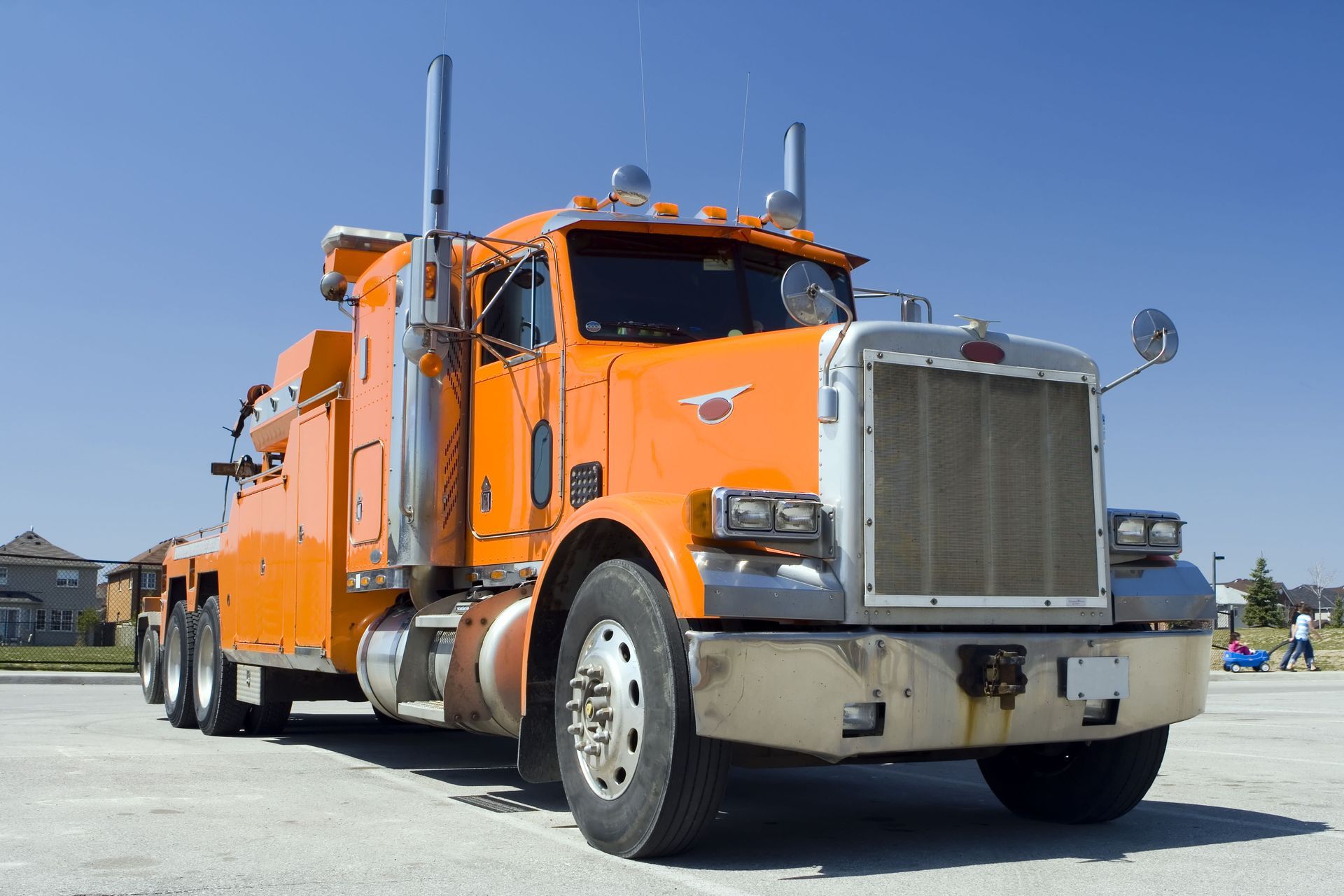
Towing services form a critical component of roadside assistance for heavy-duty vehicles. Specialized equipment and higher towing capacities are necessary to handle the significant weight and dimensions of these massive machines. Operators often have to navigate complex logistics, ensuring that the vehicle is safely transported to repair facilities. Such specialized towing services require trained personnel who understand the intricacies involved. Quick and safe towing can prevent additional damage and ensure faster resolutions.
Battery and electrical support are vital, especially given the sophistication of modern heavy-duty vehicles. Technicians are trained to handle battery jumps and replacements promptly, ensuring minimal downtime. The complexity of electrical systems means troubleshooting can be complex, but expert assistance ensures a quick diagnosis and solution. Such support is often equipped with mobile technology, providing immediate response capability. Electrical failures are often among the more challenging roadside incidents, requiring specialized skill sets and tools.
Tire assistance entails emergency repair and replacement, crucial for maintaining road safety. Heavy-duty tires endure significant strain, making them susceptible to damage and wear. Skilled technicians carry an array of tire stock and tools, enabling on-site replacements or repairs. Rapid response to tire emergencies helps maintain delivery schedules and limits operational disruptions. Continual investment in tire service innovation ensures that these services remain efficient and effective.
Choosing the Right Roadside Assistance Provider
When selecting a roadside assistance provider for heavy-duty vehicles, coverage area is a crucial consideration. The geographical scope of service can influence the provider's effectiveness in meeting your needs. Companies operating across multiple states or regions require providers with expansive coverage capabilities. The right provider ensures that wherever a vehicle may encounter issues, assistance is available. This ensures consistent service quality, important for maintaining operational standards across regions.
Service packages and costs are primary considerations for operators seeking heavy duty roadside assistance. Providers offer a range of plans, from basic packages that cover common issues to comprehensive plans that include advanced services. Cost structures can vary significantly, often depending on the range and depth of support offered. Understanding these variations allows operators to choose a plan that aligns with their specific operational demands and budget constraints. Cost-effective service does not necessarily mean compromising on quality, but rather optimizing for value and relevance.
Response time and availability are critical factors, as delays can have cascading impacts on logistics operations. Emergency situations demand swift intervention, making it imperative for service providers to be accessible 24/7. Faster response times reduce downtime and minimize potential safety hazards on the road. Providers often leverage technology, employing digital systems that enhance communication and tracking to meet these demands. Efficient systems and protocols ensure that operators receive the necessary support whenever the need arises.
Preparing Your Vehicle for Roadside Emergencies
Regular maintenance checks are essential in preventing roadside emergencies and ensuring vehicle reliability. Routine inspections identify potential problem areas, allowing preemptive measures to be taken. Operators typically conduct these checks at scheduled intervals, adhering to standards that ensure safety and efficiency. Particular focus is given to critical systems including brakes, engines, and tires. This vigilance in maintenance significantly lowers the risk of on-road failures and emergencies.
Equipping vehicles with emergency supply kits is a practical measure to enhance preparedness. Such kits contain essential tools and supplies designed to aid in minor repairs or to ensure safety while awaiting assistance. Suggested items include basic repair tools, first aid supplies, and personal safety gear. Having a well-equipped emergency kit can significantly improve outcomes when unexpected situations arise. This preparation is a key factor in controlling and mitigating the impact of roadside incidents.
Training drivers on safety and emergency protocols further bolsters resilience against road challenges. Proper training ensures that drivers are equipped with the knowledge necessary to handle emergencies calmly and effectively. Courses often cover practical skills alongside theoretical knowledge, ensuring comprehensive preparedness. Thorough training empowers drivers, giving them the confidence to make informed decisions during crises. Companies investing in driver training often see reduced insurance premiums and greater safety records.
In summary, heavy-duty roadside assistance is vital in ensuring the safety and operational continuity of the transport and logistics sectors. The components of roadside assistance, from towing to tire and battery aid, form an indispensable support network to address vehicle challenges efficiently. As advancements in technology and shifts in market demands continue to evolve, the industry remains dynamic and essential. This evolution ensures that heavy-duty roadside assistance remains aligned with contemporary logistics needs and safety standards. Ongoing innovation and adaptation will define its future, fully integrating with the technological landscapes of tomorrow. Be sure to reach out to Rivers Edge Truck & Trailer Repair today to learn more about our professional heavy duty roadside assistance!