August 19, 2026
Understanding the right questions to ask your semi truck mechanic can significantly impact the performance and longevity of your vehicle. Semi trucks are pivotal to the transportation industry, and maintaining their operability is critical for business continuity. Operating heavy commercial vehicles involves managing complex mechanical systems that undergo extreme wear and tear during long-distance hauls. Establishing a proactive communication channel with your repair team ensures every service appointment actively contributes to your operational goals.
With the increasing complexity of vehicle technologies and the need for reliable transport services, the role of a skilled semi truck mechanic is more important than ever. Knowing what to ask ensures you are well-informed and that your service provider delivers top-tier care. According to TruckInfo.net, there are 13 million registered trucks in the United States, including 2.9 million semi-trucks. Managing these massive fleets requires rigorous attention to detail, constant safety compliance, and robust technical expertise across every level of fleet maintenance.
By asking the right questions, you can cultivate a professional relationship that prioritizes the optimal functioning and safety of your fleet. Ensuring each vehicle runs smoothly is both an economic and operational necessity for drivers and fleet managers alike. Investing time into evaluating your service provider ultimately protects your bottom line, safeguards your cargo, and preserves the structural integrity of your valuable assets over hundreds of thousands of miles.
Assessing Mechanic Experience and Credentials
One of the first things to consider when selecting a semi truck mechanic is their background and industry experience. Mechanics with long-standing careers often have a breadth of knowledge that spans various models and mechanical issues. Inquiring about specialized training, such as certifications from the National Institute for Automotive Service Excellence (ASE), guarantees that your vehicle is in capable hands. Master technicians who possess advanced certifications demonstrate a commitment to continuous professional development, ensuring they stay ahead of evolving industry standards and complex drivetrain developments.
Familiarity with your specific truck model is equally vital. Different manufacturers utilize unique engineering practices, software protocols, and structural layouts. Hiring a semi truck mechanic who understands these nuances can lead to faster diagnostic times and more accurate repairs. Ask direct questions about their familiarity with your engine brand, electrical configurations, and braking setups. A technician experienced with your specific model can identify early indicators of component wear that generic mechanics might easily overlook during routine inspections.
Asking for references or reviewing previous client feedback will provide direct insight into their consistency and customer service standards. A reputable shop will willingly share references or direct you to long-term commercial clients who can vouch for their reliability. Evaluating client testimonials helps you gauge how well the shop handles challenging repairs, honors time commitments, and maintains transparent communication throughout major overhaul projects.
Inquiring About Diagnostic Tools and Methods
Modern commercial vehicles rely heavily on advanced computer networks and electronic systems. A qualified semi truck mechanic should utilize cutting-edge digital diagnostic equipment to identify engine, transmission, and sensor issues efficiently. Advanced telematics and diagnostic software read manufacturer-specific fault codes, analyze real-time engine telemetry, and precisely locate internal system failures. Understanding their diagnostic approach helps set realistic expectations regarding troubleshooting timelines and overall repair accuracy.
A structured diagnostic method minimizes guesswork, saving both time and unnecessary parts replacement costs. Ask how the shop integrates technological analysis with physical, hands-on mechanical inspections. Combining digital fault-code readings with manual component testing ensures that underlying mechanical problems are addressed alongside electronic fault triggers. This comprehensive dual approach prevents recurring issues that often stem from fixing symptoms rather than the root cause.
It is also wise to ask how the repair shop handles potential diagnostic challenges or errors. Complex electronic networks can occasionally yield ambiguous error codes or intermittent electrical faults. A transparent semi truck mechanic will have established protocols for re-evaluating unexpected issues and communicating updates promptly. This level of clarity prevents unnecessary delays, reduces labor waste, and ensures your truck returns to the road as quickly as possible.
Understanding Component Selection and Warranties
The quality of parts used during service directly affects your fleet's long-term reliability. Ask your mechanic whether they utilize Original Equipment Manufacturer (OEM) parts or aftermarket alternatives. While OEM components match factory specifications precisely and offer high-quality guarantees, high-quality aftermarket options can sometimes offer a cost-effective solution without compromising performance. Discussing these options allows you to make balanced choices based on budget, vehicle age, and performance requirements.
Additionally, clarify the warranty coverage offered on both parts and labor. Reputable repair facilities stand behind their work and maintain reliable supply networks to source components quickly during emergencies. Ask for precise details regarding warranty length, coverage limits, and claim procedures. Knowing whether a nationwide warranty applies to installed parts offers peace of mind when your drivers are operating far from your local service hub.
A reliable shop maintains solid relationships with reputable parts distributors, ensuring quick access to critical components. Inquire about their typical supply chain lead times and whether they stock common wear items onsite. Facilities with robust inventory management minimize waiting periods during unscheduled repairs, significantly reducing overall vehicle downtime and keeping your delivery schedules intact.
Establishing Preventative Maintenance Schedules
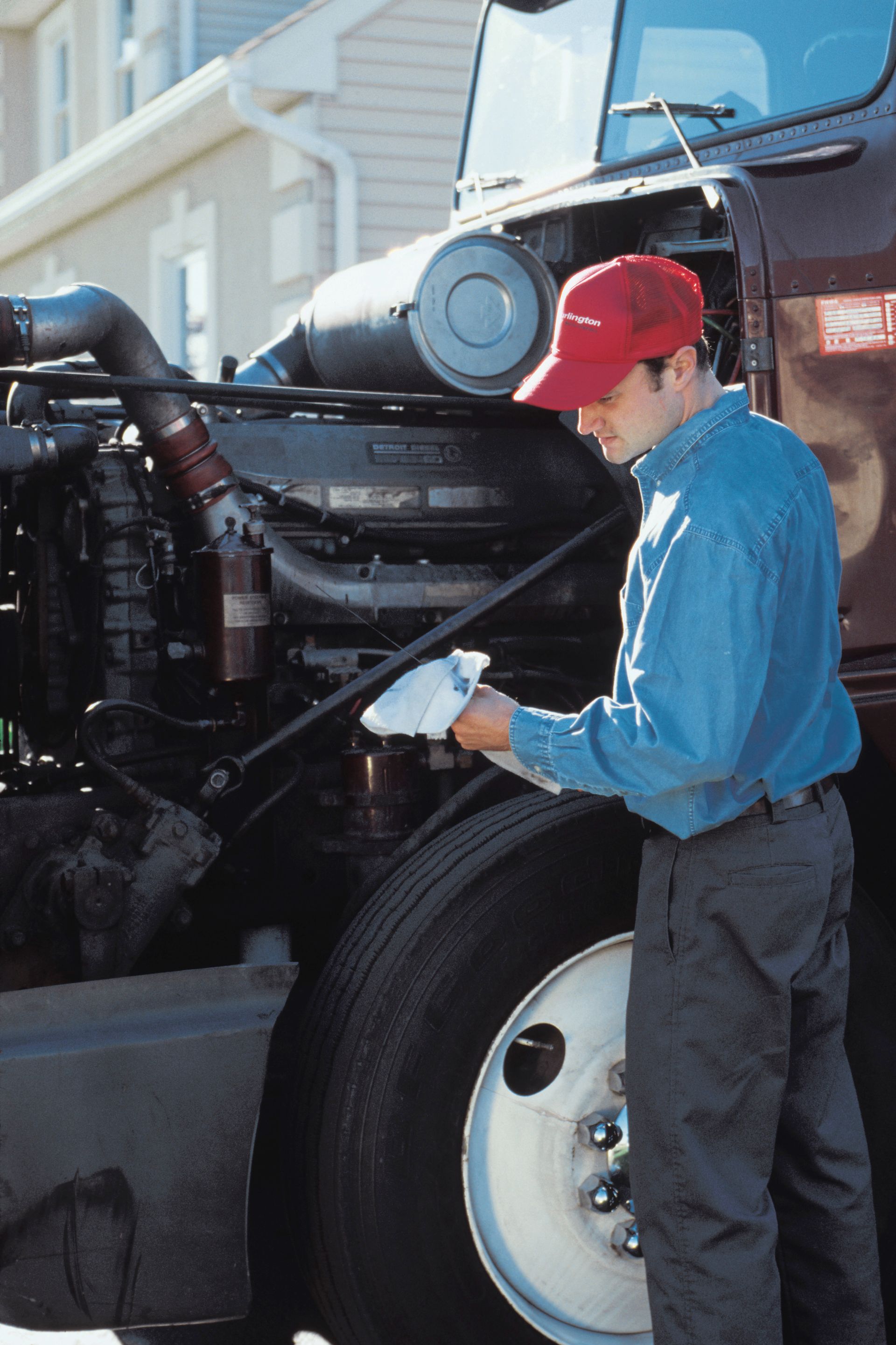
Preventative maintenance is the most effective strategy for avoiding severe mechanical failures. Consult with your technician to establish structured inspection intervals tailored to your vehicle's mileage, load demands, and operating environment. Heavy haulers operating in severe weather or mountainous terrain require a different servicing frequency compared to highway long-haulers. Routine checks on braking systems, fluid levels, tires, and drivetrains keep your vehicle operating at peak efficiency.
A thorough maintenance routine should always include a standardized checklist to ensure no critical components are overlooked. Ask your shop to share their routine service checklist so you can align it with your company's fleet management standards. Detailed documentation of fluid analyses, filter replacements, suspension alignments, and safety system checks provides a complete historical log that supports vehicle resale value and regulatory compliance.
Learning to recognize early warning signs, such as unusual vibrations, warning lights, or abnormal fluid consumption, allows you to schedule service before minor issues escalate into costly roadside breakdowns. A knowledgeable semi truck mechanic will educate your drivers on key pre-trip inspection points. Establishing this proactive partnership transforms routine maintenance into a strategic defense against unexpected roadside emergencies and severe operational delays.
Evaluating Cost Transparency and Operational Workflow
Clear communication regarding pricing structures and repair estimates is essential for effective budget management. A dependable repair shop provides itemized estimates before starting work, outlining labor costs, part prices, and anticipated completion times. This transparency eliminates unexpected expenses and fosters long-term trust. Inquire about their policy regarding shop fees, diagnostic charges, and approval requirements for unexpected repairs discovered during the service process.
Understanding a shop's operational workflow gives you better control over your logistics and dispatching planning. Ask about their scheduling processes, priority systems for emergency repairs, and average turnaround times for common jobs like brake overhauls or clutch replacements. Shops that employ dedicated service advisors to deliver frequent progress updates help fleet managers adapt their schedules seamlessly without constant follow-up calls.
Finally, inquire about the shop's capacity to handle urgent repair requests and their overall turnaround times. Partnering with a service team that values clear updates and efficient workflow ensures your business remains competitive and operational. Building a lasting relationship with a reliable repair facility gives your business a dependable foundation for growth. For more information about the services that we offer, reach out to our incredible team at Rivers Edge Truck & Trailer Repair today!