February 24, 2026
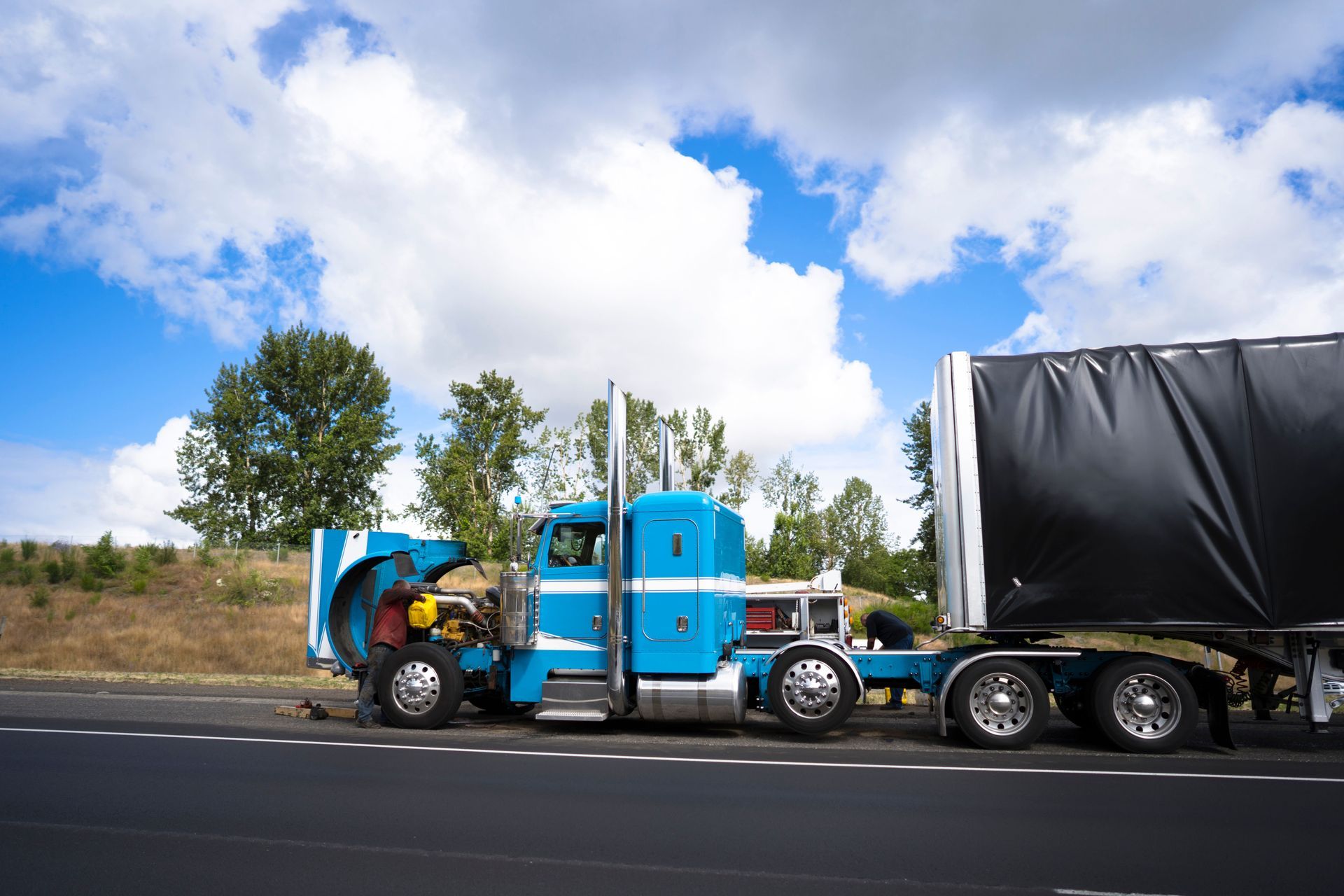
When a commercial truck breaks down, the consequences extend far beyond the shoulder of the road. Missed delivery windows, cascading scheduling problems, safety risks, and expensive repairs can all follow a single mechanical failure. For fleet managers and owner-operators alike, understanding which problems typically lead to immobilized vehicles helps with preventive maintenance and faster decision-making when something goes wrong.
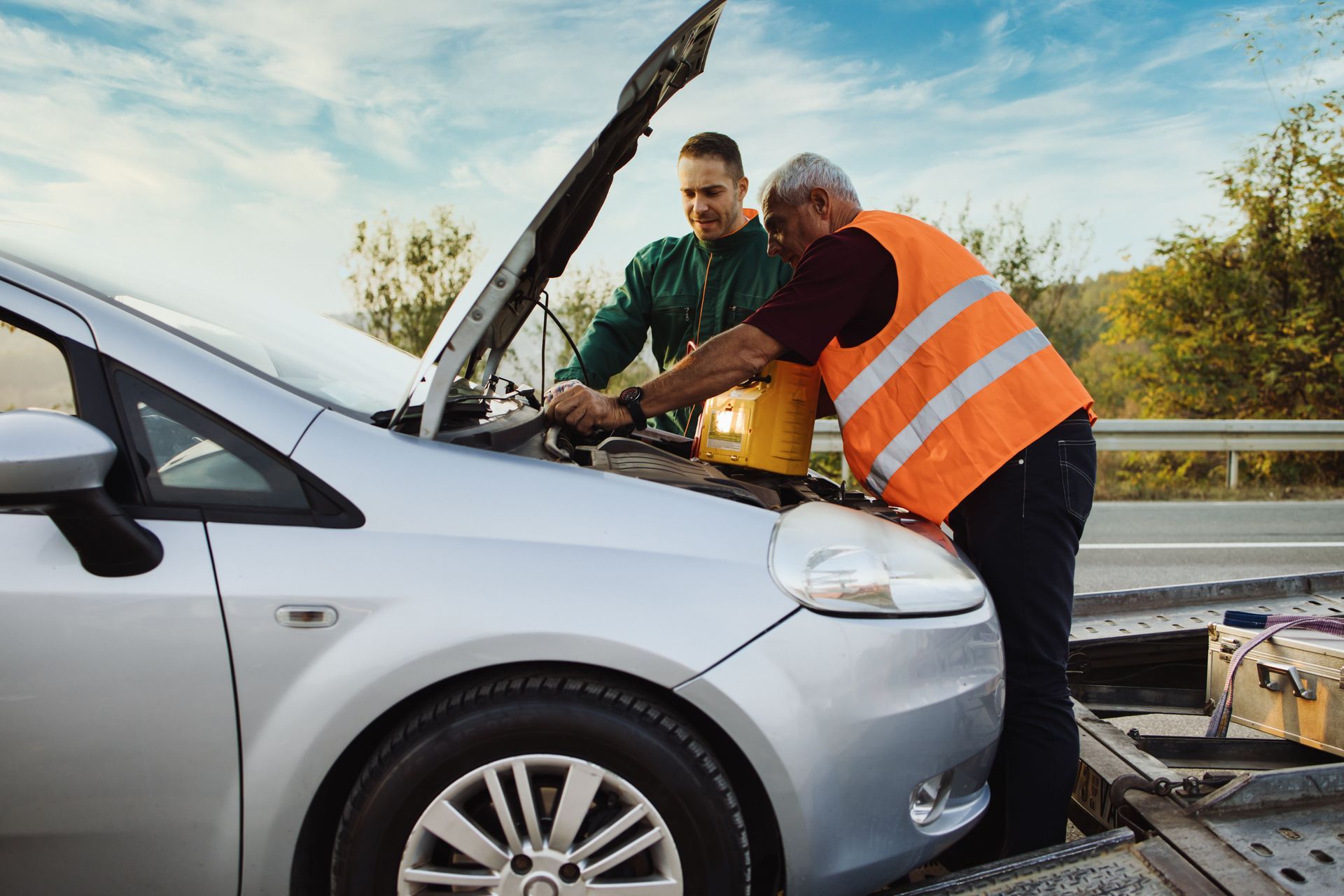
Across the country, towing is not a rare event. According to LookupAPlate, roughly 55,000 vehicles are towed every day in the United States, a figure that underscores how frequently mechanical failures make vehicles inoperable. Large commercial trucks account for a meaningful portion of those calls because their size, weight, and complexity leave little room for improvisation when a critical system fails.
Below are three of the most common mechanical issues that make roadside repairs impractical and require professional heavy truck towing to protect the vehicle, the driver, and surrounding traffic.
1. Engine and Powertrain Failures
Complete Engine Shutdown
When a heavy-duty engine shuts down unexpectedly, there is no safe or effective way to coax it back to life on the side of the road. Modern diesel engines rely on complex electronic controls, sensors, and high-pressure fuel systems. If one of these core components fails, restarting the engine can risk catastrophic internal damage. In these situations, the safest option is professional heavy truck towing to a repair facility equipped for advanced diagnostics.
Severe Overheating
One of the most common and destructive heavy truck engine problems is overheating. A ruptured coolant hose, failed water pump, or cracked radiator can cause temperatures to spike within minutes. Continuing to operate an overheating engine may warp cylinder heads, damage pistons, or seize the engine entirely. Once overheating reaches a critical point, towing is required to prevent total engine failure and significantly higher repair costs.
Transmission Failure
Automatic and automated manual transmissions used in heavy trucks are engineered to handle extreme torque loads. However, fluid leaks, clutch pack failures, or electronic control issues can leave the vehicle stuck in gear or unable to engage at all. Transmission failures often present suddenly and without warning, making roadside fixes unrealistic. In these cases, specialized heavy truck towing ensures the drive-line remains protected during transport.
Loss of Engine Oil Pressure
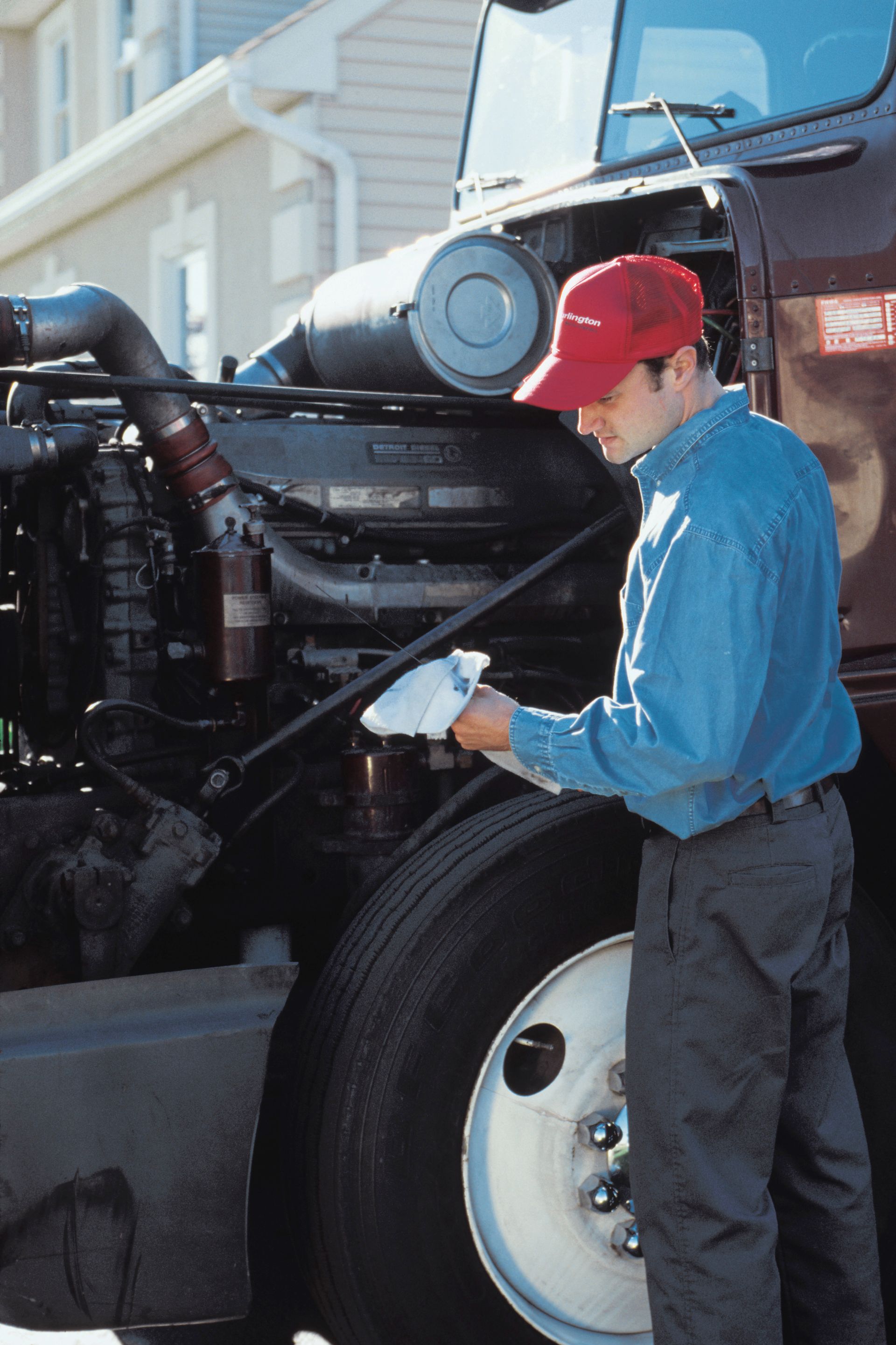
A sudden drop in oil pressure is an immediate stop condition for any diesel engine. Operating without proper lubrication can destroy bearings, camshafts, and crankshafts in seconds. When warning lights or gauges indicate oil pressure loss, shutting the engine down and arranging transport is essential. Attempting to limp to a shop can turn a manageable repair into a full engine replacement.
Turbocharger Malfunctions
Turbochargers are critical for modern diesel performance and fuel efficiency. A failed turbo can lead to power loss, excessive exhaust smoke, or oil contamination within the intake system. In severe cases, broken turbo components can enter the engine, causing extensive internal damage. Because turbo systems are integrated into the engine's air and oil circuits, towing is often required for safe removal and repair.
2. Brake System and Steering Issues
Air Brake System Loss
Heavy trucks depend on compressed air to operate braking systems. A major air leak, failed compressor, or damaged air line can leave the vehicle without adequate stopping power. Driving without fully functional air brakes is extremely dangerous and illegal. When air pressure cannot be restored quickly and reliably, heavy truck towing becomes the only responsible option.
Brake Component Seizure
Brake calipers, chambers, or slack adjusters can seize due to corrosion, heat damage, or mechanical wear. A seized brake may lock a wheel in place, making it impossible to move the truck safely. Forcing the vehicle to roll can damage tires, hubs, and axles. Towing allows the truck to be transported without compounding the original failure.
Steering Gear Failure
Steering systems in heavy-duty vehicles endure immense stress. Failures within the steering gearbox, power steering pump, or linkage can result in excessive play or complete loss of directional control. Even minor steering irregularities can escalate quickly at highway speeds. When steering response is compromised, towing is mandatory to avoid serious accidents.
Tie Rod or Drag Link Damage
Impact with road debris, curbs, or uneven terrain can bend or break steering linkage components. A damaged tie rod or drag link can cause unpredictable wheel alignment and loss of control. These components are not typically repairable roadside, and attempting to drive with compromised steering geometry is unsafe.
ABS and Electronic Brake Failures
Anti-lock braking systems and electronic stability controls are now standard on most commercial trucks. When these systems fail in conjunction with mechanical brake issues, the vehicle may enter a reduced-function or shutdown mode. Electronic brake fault identification is only possible with advanced diagnostic tools, making transport to a qualified repair center the most efficient solution for resolving this issue.
3. Suspension, Axle, and Drivetrain Damage
Broken Leaf Springs
To support the immense weight of heavy trucks and maintain proper ride height, leaf springs are essential. A broken or shifted leaf spring can cause uneven weight distribution, tire rubbing, or frame contact. Continuing to drive with damaged suspension components risks further damage to the vehicle's structure. Professional towing prevents secondary failures while moving the truck safely.
Axle Shaft Failure
Axle shafts transmit power from the differential to the wheels. When an axle shaft breaks, the affected wheel may lose drive or lock unexpectedly. This type of failure often produces loud noises and immediate drivability issues. Because axle repairs require disassembly and heavy equipment, towing is necessary to move the vehicle off the roadway.
Differential Malfunctions
Differentials manage torque distribution between wheels and axles. Gear damage, bearing failure, or lubrication loss within the differential can lead to grinding noises, overheating, or complete drivetrain lockup. Once these symptoms appear, continued operation can destroy the differential housing itself. Transporting the truck via heavy truck towing minimizes further drivetrain damage.
Driveshaft Damage
Driveshafts operate at high rotational speeds and must remain precisely balanced. Damage from road debris or failed universal joints can cause severe vibration or complete separation. A detached driveshaft can strike other components or the roadway, posing significant safety hazards. Towing ensures the vehicle is moved without risking additional damage or injury.
Wheel-End Failures
Wheel bearings and hubs endure constant loads and heat cycles. When lubrication fails or components wear beyond tolerance, wheel ends can overheat and seize. This can result in wheel separation, one of the most dangerous failures in commercial trucking. At the first sign of wheel-end trouble, arranging professional towing is critical.
Not all towing services are equipped to handle commercial vehicles. The size, weight, and mechanical complexity of heavy trucks require specialized equipment and trained operators. Improper towing techniques can damage frames, axles, and suspension systems, adding thousands of dollars in unnecessary repairs.
From highway breakdowns and accident recovery to fleet maintenance and transport, professional towing services reduce downtime while protecting valuable equipment. With round-the-clock availability and modern recovery tools, qualified providers can respond quickly and transport disabled trucks to repair facilities without delay.
Mechanical failures are an unavoidable reality in heavy-duty trucking, but the way they are handled makes all the difference. Engine shutdowns, brake and steering failures, and drivetrain damage are among the most common issues that leave trucks immobile and unsafe to operate. In these situations, relying on professional heavy truck towing is not just a matter of convenience. It is a critical step in protecting drivers, cargo, and equipment while keeping operations compliant and efficient.
By understanding which mechanical problems require towing and working with experienced providers, fleet operators and owner-operators can minimize downtime, control repair costs, and get back on the road with confidence. When a breakdown occurs, a fast and dependable response ensures that even serious mechanical issues do not derail your business for long. Be sure to contact Rivers Edge Truck & Trailer Repair if you need heavy truck towing services!